
The Edge for MAY 2026
Today’s most effective workplaces recognize that employee wellbeing and strong performance are not competing priorities. Companies that balance mental health alongside an effective workplace culture are finding that healthier employees are more productive, collaborative, and resilient. We asked N.J. Chamber of Commerce members to share how their managers and organizations are building healthier workplaces in 2026. Read the article below.
 Managers are Culture Carriers
Managers are culture carriers. They're not just task managers. Ask yourself: Are we unintentionally rewarding certain unwelcome behaviors in our company that we need to identify? Is being busy equated to being valuable? Is overwork being praised? As leaders, are we sending emails in the middle of the night? That’s setting a bad standard. So look at it from a holistic standpoint: What operational changes do we need to make to create a healthy work culture? It’s about allowing the team to be human. Pause before you jump into work and say: ‘How are you?’ Ask the questions: ‘How's your day?’ or ‘Tell me something about you?’ It goes a long way.
– Debra Rizzi, President & Partner, Rizco
 Leaders Don’t Stay in ‘Continuous Crisis Mode’
An effective manager knows how to balance what needs to be responded to immediately and what can wait. If a manger lives in a continuous crisis mode, the crisis will end up then seeping into all parts of their lives and the lives of everyone who works below them. Managers need to set the standard. As a leader you need to be able to intrinsically model a positive work culture.
– Donna Raziano, Network Medical Director, AmeriHealth
 Employees Want to Feel Heard
At Bergen New Bridge, we try to stay focused on the basics that matter most to people. We encourage flexibility where we can, provide wellness and mental health support for staff, and make leadership visible and accessible through open communication and visits to the front lines. I also maintain a true open-door policy because employees need to know their voices matter. We work hard to recognize our teams often, especially in healthcare where the work can be emotionally exhausting. Our employees want to feel heard, valued, and supported, while still being held to high standards. When people feel respected and connected to each other, they do their best work.
– Deborah Visconi, President & CEO, Bergen New Bridge Medical Center
 Understand Your Team's Challenges Without Lowering Your Standards
There are managers and there are leaders. Managers are task oriented – they get the job done. Leaders can balance empathy and accountability. They're being human about circumstances but firm about expectations. Be empathetic but make sure your employees are accountable. It shows up in listening to employees, asking what support is needed, and being clear about the priorities that your team needs to get the job done. It’s important to separate the person from the performance – and to know and understand your team's challenges without lowering those standards. Define what sustainable, successful performance looks like. Define success by outcomes rather than hours. Be flexible. Flexibility reduces burnout. Consistent one-on-one check-ins are important. Make sure you have a pulse on your team.
– Erin Pasowski, Manager- Benefits, NJM Insurance Group
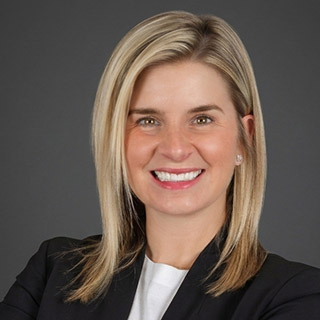 Culture Isn't a Policy – It's How We Show Up Everyday
At HBK, we believe people do their best work when they feel supported, not stretched thin. That means offering flexible scheduling and remote work options so our team can manage their lives, not just their calendars. We invest in mental health benefits and an Employee Assistance Program because wellbeing isn't a perk – it's a priority. We also invest heavily in soft skills development across the entire firm – emotional intelligence, mindset, communication, and giving and receiving feedback – because how we work together matters as much as the work itself. Our managers lead with empathy while still holding people accountable. Culture isn't a policy – it's how we show up every day.
– Molly M. Crane, Chief People & Culture Officer, HBK CPAs & Consultants
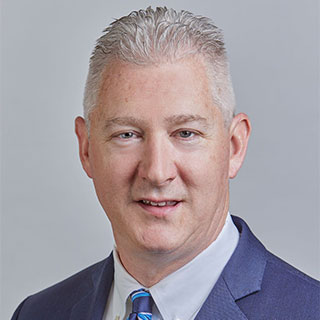 Leaders Model Healthy Ways of Working
At PwC, we believe wellbeing is part of doing great work, not separate from it. Our leaders try to model healthy ways of working by encouraging flexibility, open conversations about workload and priorities, and a “work smart, recover well” mindset, especially during busy periods. We’re also seeing people use AI in practical ways to cut down on repetitive tasks and create more time for meaningful work, learning, and collaboration. Most importantly, we want our people to feel supported, trusted, and like they have each other’s back. That’s what helps teams stay energized, resilient, and perform at their best.
– Jon Hirschfeld, Partner, PwC
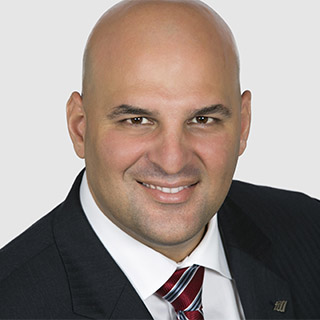 Support Mental Health
Support for mental health is key to our being a ‘Great Place to Work.’ We offer many best-in-class benefits and programs, including employee assistance, support for significant life events, and development opportunities, to help our teammates manage challenges in their professional and personal lives. Resources include providing eligible employees with virtual access to licensed therapists and behavioral health specialists, ensuring care is accessible, confidential, and responsive. We also offer educational materials to help reduce stigma around mental health.
– Alberto Garofalo, President, Bank of America New Jersey
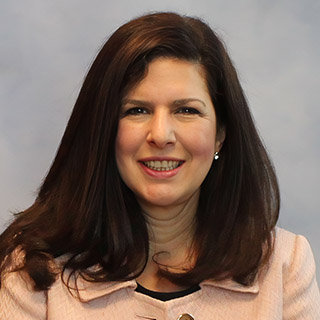 Take Care of Employees in Ways that Feel Useful
We try taking good care of our employees in ways that feel useful and enjoyable. Each week, we offer simple things like healthy snacks, fresh fruit, or a short session on topics like stress and mindfulness. We have employee-run groups where people can connect, share ideas, and talk about real-life challenges. There are also fun events, volunteer opportunities during work hours, and a full Wellness Day with various activities. From a welcome kit when an employee first joins Kearny Bank to ongoing mentoring, we aim to create an environment where people feel supported and part of something special.
– Veronica Ross, Senior Vice President/Director of Engagement, Kearny Bank
 Promote Balance
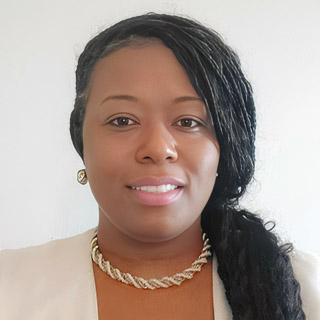
At EisnerAmper, we take a holistic approach to supporting colleague well-being. For example, May is Wellbeing Month, which features resources and activities such as financial and mental health webinars, virtual cooking classes, fitness sessions, and interactive challenges. Our virtual Wellbeing Fair, with participation incentives, make it easy for colleagues to explore and take advantage of available benefits. Grounded in five pillars – Physical, Social, Emotional, Environmental, and Financial – our well-being strategy extends throughout the year. It includes our hybrid work model and summer flex hours. These initiatives help promote balance, reduce burnout, and empower colleagues to thrive professionally and personally.
– LaTanya Parsons, Senior Benefits Manager, EisnerAmper
 Adopt a Family-First Vision
CSG Law knows that law firms are built on the talent of their teams. The firm has grown rapidly over the past decade, but we remain committed to upholding our family-first vision by cultivating a supportive workplace culture focused on the overall wellbeing of each employee. From flexible and remote work arrangements, to extended family leave policies, to a comprehensive wellness initiative featuring yoga, meditation, and chair massages – CSG Law values its employees and their health.
– Marie L. Mathews, Managing Member, Chiesa Shahinian & Giantomasi
 Make Associates Feel Supported and Connected
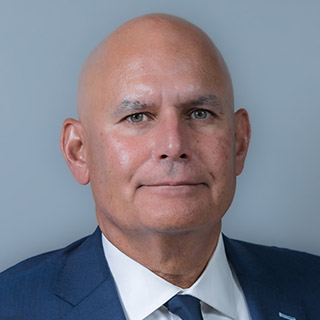
At AmeriHealth, we see wellbeing as essential to performing at our best. We focus on creating an environment where associates feel supported, connected, and able to recharge. Through our wellness programs and initiatives, we offer practical ways to stay active, manage stress, and build healthy habits. Just as important, we encourage leaders to model balance and make space for open, honest conversations. When people feel cared for and supported, they’re better able to stay engaged, perform at a high level, and avoid burnout.
– Michael Munoz, SVP & President, Diversified Markets, AmeriHealth
 Connect Employees To Health Counseling and Coaching
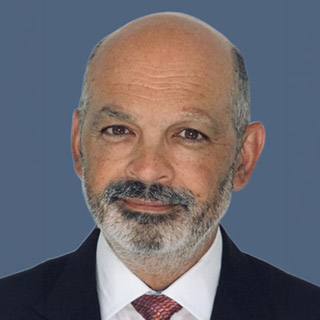
PNC has long focused on the health and wellbeing of our employees. Today, colleagues in New Jersey and across the PNC footprint have access to a range of company-provided resources, including an Employee Assistance Program that can connect them with mental health counseling, health coaching and more. PNC’s focus in this area also extends to providing access to financial wellness resources. PNC has adopted a holistic approach to supporting our employees and making available solutions designed to meet their health and wellness goals. And not just in one particular moment, but whenever a need arises.
– Enrico Della Corna, PNC Regional President for New Jersey
 Understand Your Employees’ Needs
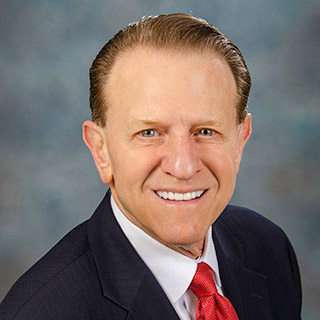
We offer physical and financial wellness programs, along with an Employee Assistance Program that supports our team members’ well-being at work and at home. Nurses make up most of our workforce, and through our Nursing Workplace Environment and Staffing Council, they help shape decisions that impact their work environment. We provide serenity rooms where staff can recharge from the demands of patient care, we facilitate mentorship opportunities, and encourage nurses to advance their careers through professional certifications. Our recognition programs demonstrate our appreciation and respect for the team. Strong communication from leadership is also essential. We host CEO Town Halls, regularly visit frontline staff to stay connected, and offer initiatives like ‘Coffee with the CEO.’ We’re continually seeking ways to engage with our team, better understand their needs, and foster a healthy, supportive, and effective workplace.
– Leslie D. Hirsch, President and CEO, Saint Peter’s Healthcare System
 Promote Open Communication and Flexibility
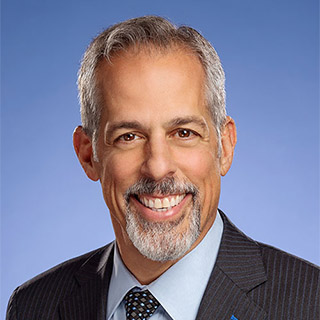
At FBT Gibbons, we recognize that supporting employee well-being is critical to building a strong, high-performing culture. We encourage open communication, flexibility where appropriate, and creating an environment where employees feel supported both professionally and personally. From wellness and mental health programming to encouraging employees to take time to recharge, we continue to look for ways to foster a workplace culture that prioritizes excellence and long-term sustainability.
– Peter J. Torcicollo, Co-Managing Partner, FBT Gibbons
 Set Clear Priorities So People Can Focus on What Matters Most
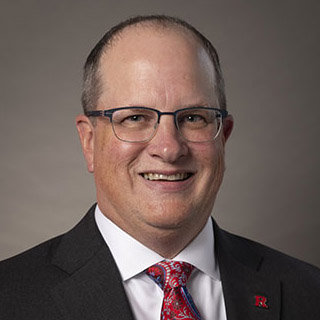
At the Rutgers Office for Research, our foundation is built on shared values - respect, simplicity, collaboration, and excellence – which guide how we work together. We set clear priorities so people can focus on what matters most, and we’ve redesigned processes and tools, including using data and AI to reduce administrative burden. We aim to work smarter, not harder. Just as important, we listen, creating open, candid conversations so expectations are clear and workloads stay realistic. The goal is a culture where people feel supported and perform meaningful work that fuels discovery to solve problems in New Jersey and beyond.
– Michael E. Zwick, Senior Vice President for Research, Rutgers University Office for Research
 Praise People for the Good Work They Do
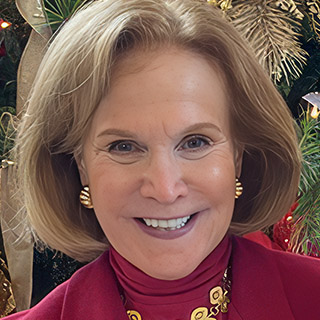
Staying positive, keeping a cheerful demeanor, praising people for the good work they do, and offering gentle support when it’s needed all help create a strong and successful workplace culture. And having fun along the way makes it all work.
– Ruthi Byrne, President, Zinn Graves & Field, Inc
 Three words: Collaboration, Mentorship and Connection
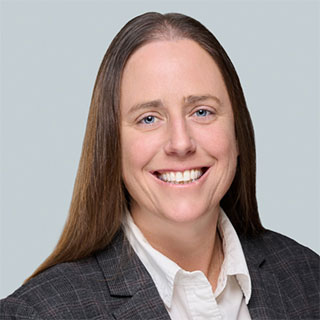
At M&T, our best work happens face-to-face, which is why we’ve implemented a four-day in-office approach to strengthen collaboration, mentorship and connection. At the same time, we’re investing in tools like Microsoft Copilot to simplify workflows and help our teams focus on higher-value work. Our resource groups and internal communications channels help ensure people stay informed, share ideas and celebrate wins together. We see a link between a culture where people feel supported, empowered and accountable and our team’s ability to deliver consistent, long-term results for our customers and communities.
– Shannon Lazare, New Jersey Regional President, M&T Bank